Easter Egg Machine Embroidery Design Review
As an experienced embroidery designer with years of crafting for craft fairs and handmade markets, I've reviewed countless machine embroidery designs that aim to stand out. The Easter Egg Machine is one such design that immediately catches the eye and invites closer inspection. It's a playful yet versatile option that can be adapted across a variety of craft fair products, from embroidered tote bags to fabric pouches and more.
First Impressions: Festive and Eye-Catching
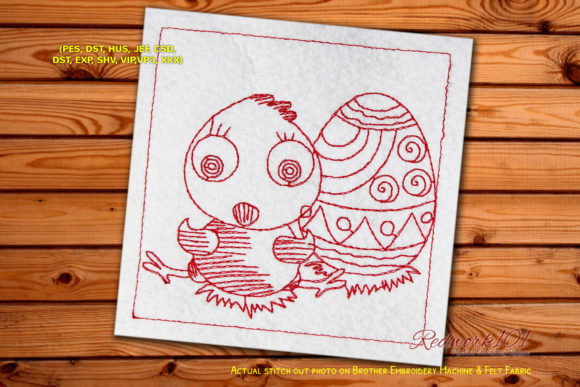
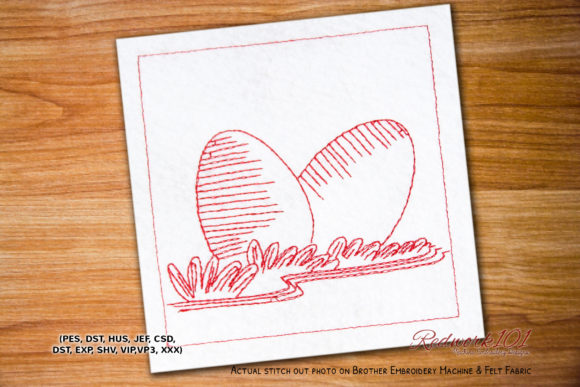
The Easter Egg Machine brings a sense of festive charm to any product it adorns. With its whimsical imagery and clear visual elements, it feels both cute and modern. The optional Easter Egg The Box Stitch adds a nice touch of customization, allowing for subtle variations in color or omission depending on the final product.
This design works especially well as a focal point on larger items like aprons or pillow covers, but it also holds up nicely as an accent on smaller pieces like patches or caps. Its boldness makes it easy to spot from a distance, which is a huge plus for attracting attention at a booth.
Performance Across Product Types
The versatility of the Easter Egg Machine shines through when considering different handmade products that could benefit from this design:
- Tote Bags: The design adds a fun and festive element that appeals to buyers looking for unique, personalized items.
- Apron Embroidery: As a decorative feature on kitchen aprons, it adds a touch of playfulness without overwhelming the overall look.
- Tea Towel Embroidery: On kitchen towels, the design becomes a charming conversation starter, especially around Easter time.
- Embroidered Patches: When scaled down, it makes for a great patch that can be sold separately or added to other items.
- Fabric Pouches: This design elevates simple fabric pouches into something more special and collectible.
- Pillow Covers: The Easter Egg Machine can become the centerpiece of a decorative pillow cover, making it ideal for seasonal home décor.
- Market Bags: For eco-friendly market bags, the design adds a pop of color and personality.
- Handmade Gifts: Whether it's a custom gift or a sample piece, this design adds value and appeal.
- Booth Samples: As a display piece, it helps showcase your range of embroidery file options and attracts potential buyers.
- Etsy Listings: When paired with high-quality printable mockups, the design can significantly boost the visual appeal of your listings.
- Commercial Embroidery: If you're selling digital embroidery files, this design offers good flexibility for different applications.
Practical Selling and Production Considerations
One of the key factors in choosing a design for small shop products is how easily it can be understood at a glance. The Easter Egg Machine is straightforward and recognizable, even from a distance. This makes it perfect for craft fair products where customers are often scanning multiple items quickly.
It performs well as both a small accent and a large focal design. However, if using it on darker fabrics, it's important to ensure there's enough contrast between the thread colors and the base material. Also, for curved surfaces like caps, test stitching is essential to confirm that the design maintains clarity and doesn't distort.
When photographing the finished product for Etsy sellers, the Easter Egg Machine stands out beautifully, especially under soft lighting. Its clean lines and vibrant elements translate well to online listings, making it a strong candidate for digital sales.
For batch production, the design appears repeatable without losing its charm. Just be sure to check the stitch density and use the appropriate stabilizer to avoid puckering or distortion, especially on textured towels or thick fabrics.
Careful-Use Notes for Embroidery Designers
While the Easter Egg Machine is a solid choice, there are some practical considerations to keep in mind:
- Dense Stitch Areas: Avoid overloading the design with too many stitches in tight spaces, especially if using it on small items like patches.
- Tiny Details: Ensure that all elements are large enough to remain visible when scaled down.
- Small Lettering: If the design includes text, make sure it's legible at various sizes.
- Thick Fabric: Use proper backing and stabilizers to prevent shifting during stitching.
- Textured Towels: Test the design on similar fabric before committing to full production runs.
- Curved Cap Surfaces: Adjust the design slightly to fit the contours of curved items.
- Dark Fabric: Choose thread colors that provide sufficient contrast.
- Smaller Sizes: Confirm that the design remains clear and recognizable when reduced in size.
Before producing any finished product, always test the embroidery file on scrap fabric. Check the hoop size, review spacing, inspect stitch density, and use the right stabilizer. Creating at least one real mockup will help you visualize how the design looks in person.
Also, compare fabric colors to ensure the design assets match the intended aesthetic. And don’t forget to confirm commercial licensing before selling finished products based on this design.
Visual Appeal and Booth Display Strength
The Easter Egg Machine has the potential to elevate the visual appeal of your entire booth display. Whether it’s on a tote bag, apron, or pillow cover, it adds a sense of quality and creativity that can draw in customers.
Its ability to blend handmade quality with brand consistency makes it a great addition to your line of products. When used strategically, it can enhance buyer engagement and encourage impulse purchases at your craft fair booth.
For creative entrepreneurs and digital sellers, this design is a valuable asset that can be adapted for multiple uses. From small shop products to commercial embroidery, it offers a flexible and appealing option that resonates with a wide audience.